Simulating Democracy:
Housing and Computation in Modern Latin America
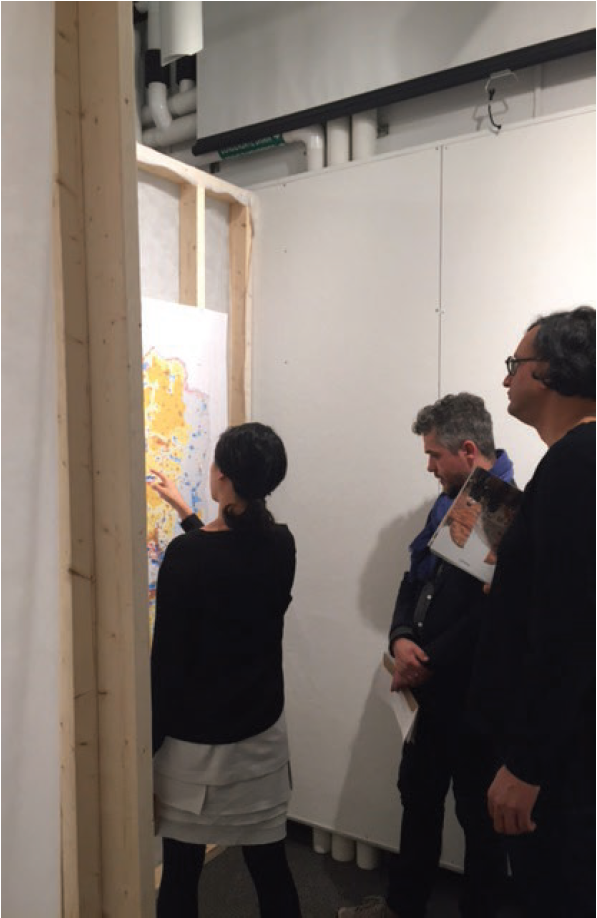
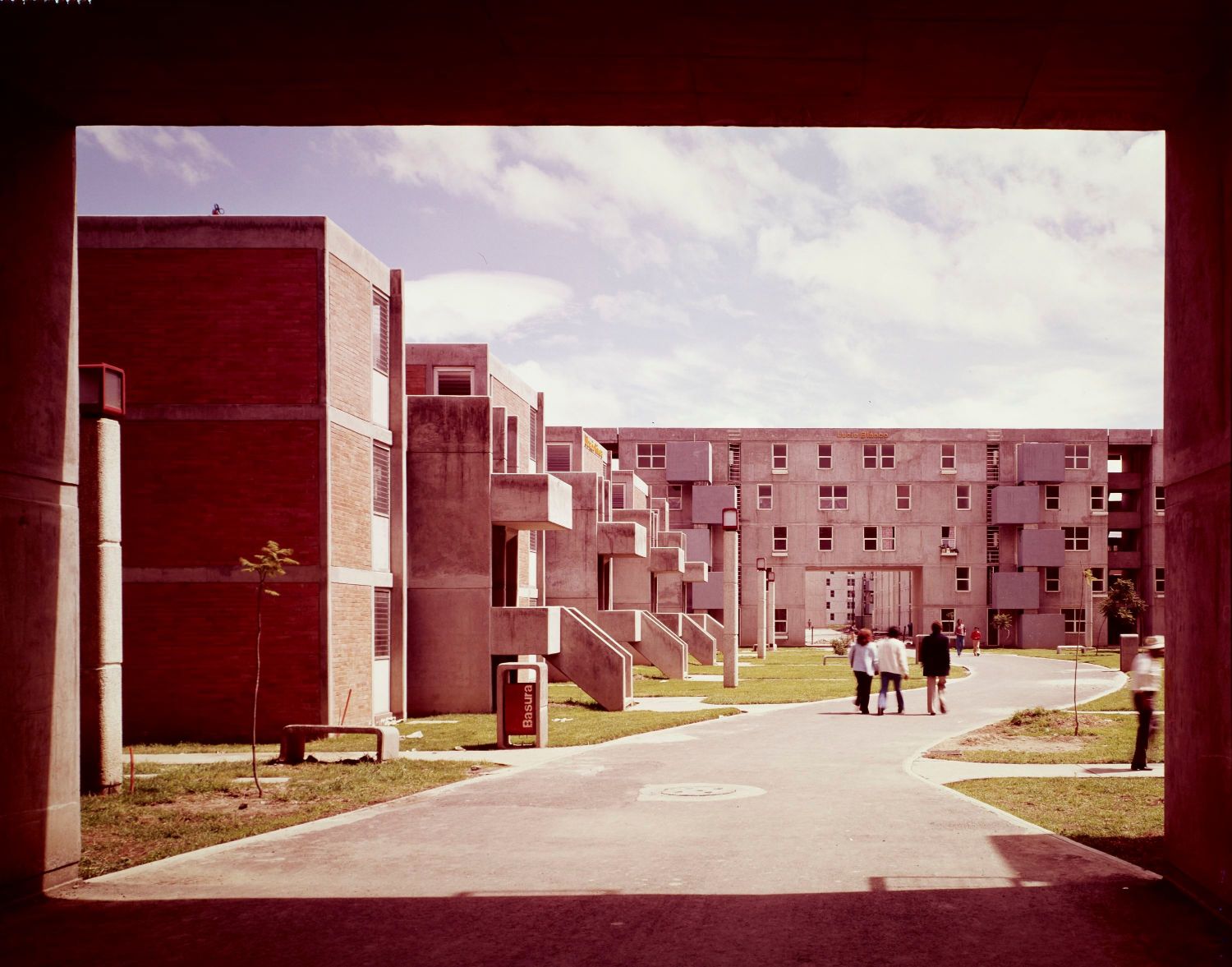
This exhibition looks at media produced by government agencies in Mexico and Argentina to promote two state-funded development programs in the 1970s. Both governments created advanced computational research centers to attract international investment and both claimed that the use of computation would catalyze democracy and participation.
Building on the UTSOA 2025-26 Planetary Imaginaries, this exhibition argues that these two housing programs are not simply local experiments but demonstrate how early computerized systems models translated military computation into tools for managing the planet as a single integrated system. In these two housing programs, the inclusion of global sociological studies, climatology reports, census data, and migration statistics illustrates how housing became a global object of technological evaluation and a rhetorical device in local political discourse and global development discourse.
The history of computation has typically excluded the histories of Asia, Africa, and Latin America. This exhibition foregrounds Mexico and Argentina as leaders in computational governmentality to demonstrate that the history of computation is not simply a history of institutions in the United States and Europe but played out over a much wider geography, where bureaucrats, artists, academics and government officials all over the world helped shape computer science in their own contexts.


Behind the Wall:
The Architecture of Civilian Occupation
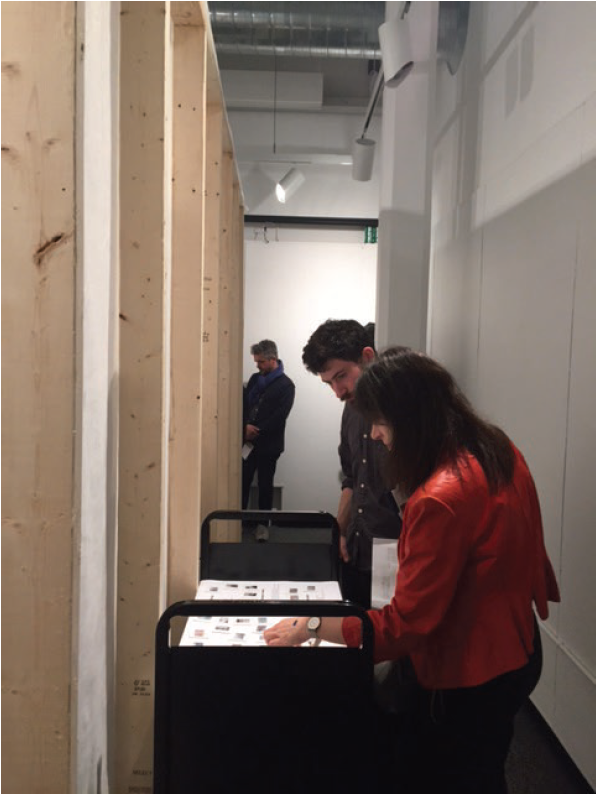
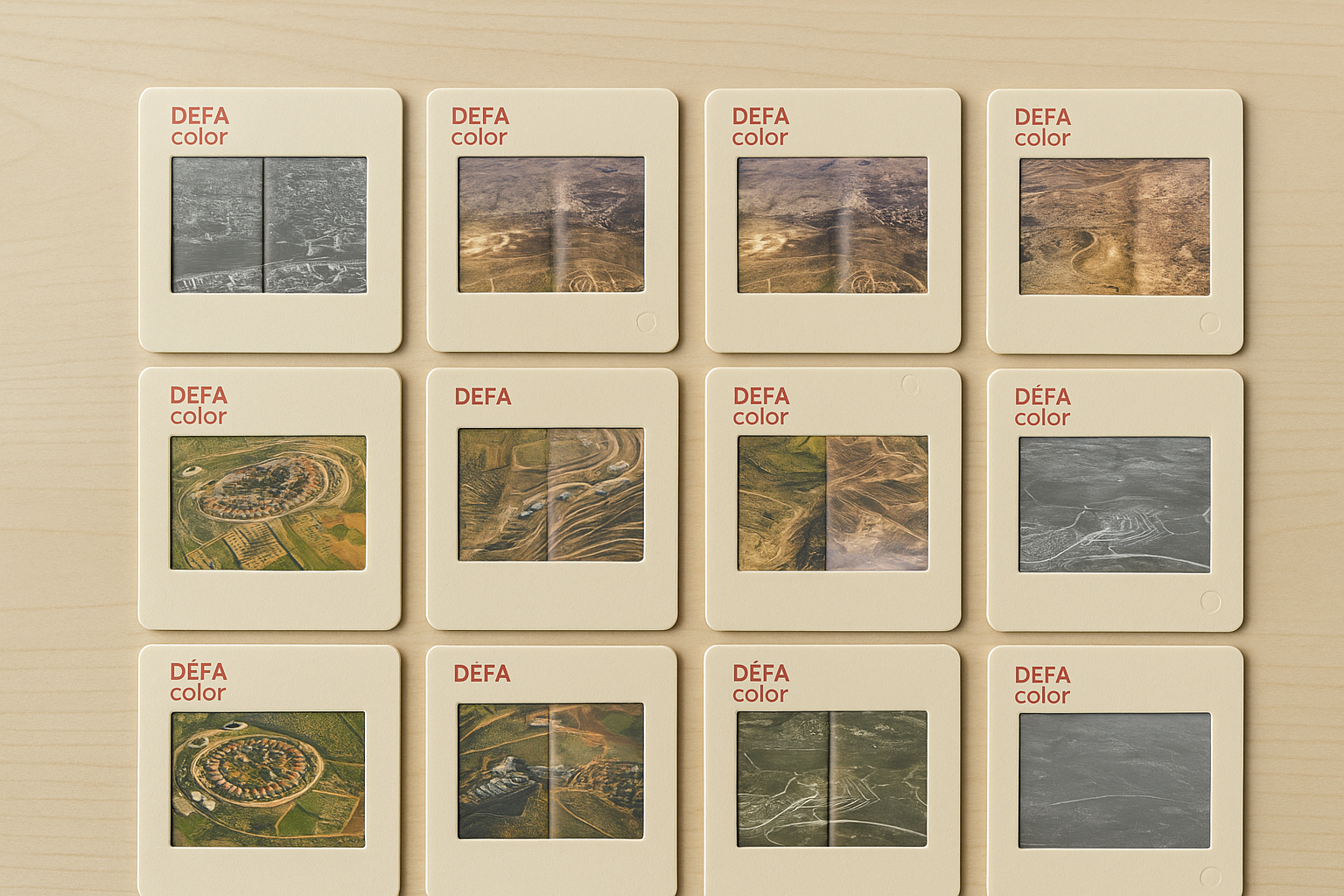
In 2001, Eyal Weizman and Rafi Segal organized an architectural exhibition that was banned just before opening; its 5000 printed catalogs destroyed. These curators intended to exhibit evidence of architects’ culpability for violating international law during Israel’s occupation of the West Bank. The planned exhibition “A Civilian Occupation” took place at a precise turning point in the relationship between Israel and Palestine. On August 14, 2002, one month after the exhibition was banned, the Israeli government approved the first section of the wall which today physically separates Israel from the West Bank. Despite the wall being just on the horizon, nowhere in the catalog is it mentioned. There are, however, stills from a video documentary made in the same year of the exhibition which show an Israeli army bulldozer destroying infrastructure and blocking a road in Bethlehem, an act which would later define the effort to requisition land for the construction of the barrier. Like these photographs, each of the historical phases of Israel’s settlement project presented in the catalog act as a foreshadowing: a slow building of the eventual wall.
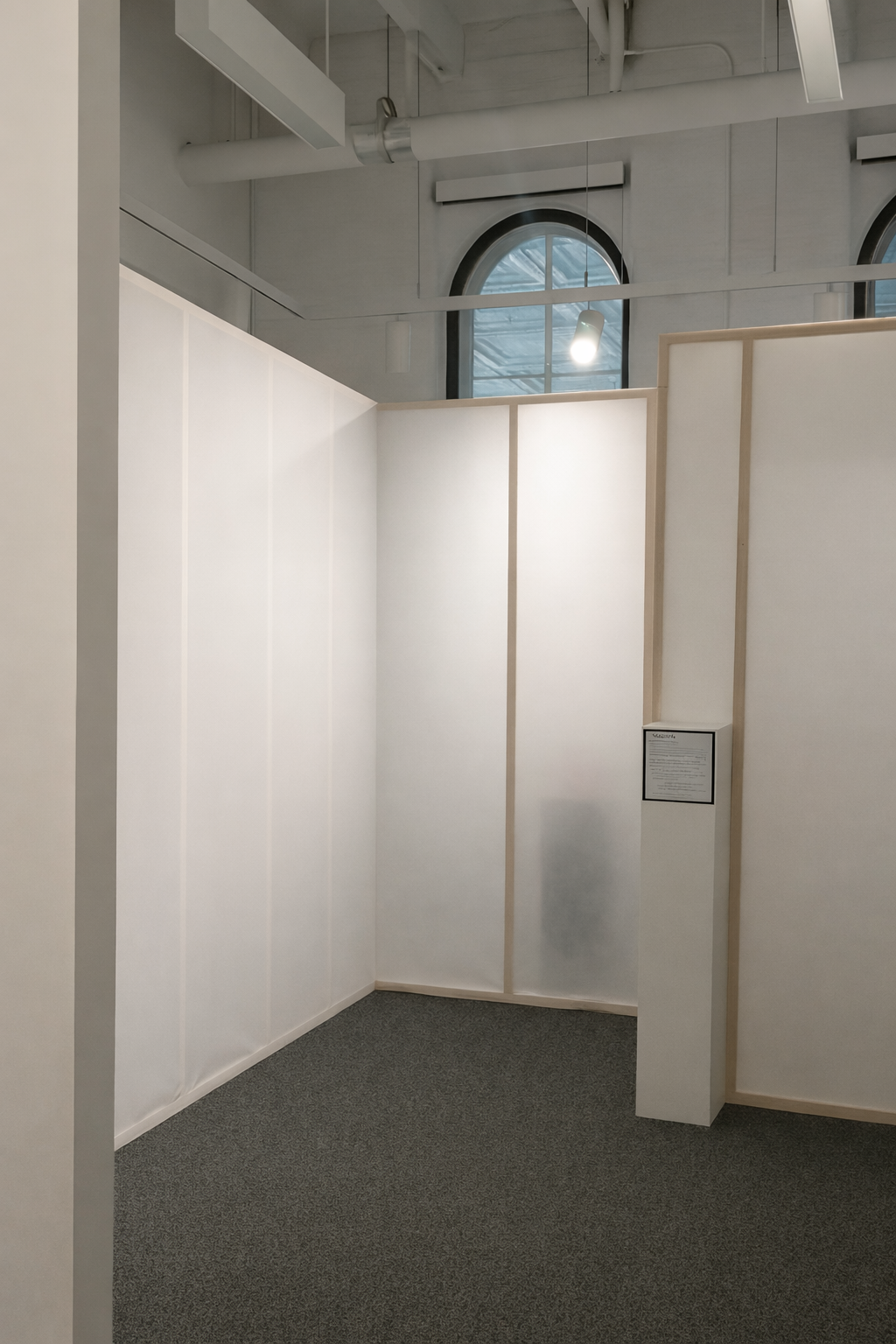
All the content displayed here is the same as the one intended for the original exhibition, with the addition of a single object: the wall. By leaving the center space of the exhibition empty, and placing the argument into the marginal space, this exhibition makes visible the political act of censoring the original exhibition. Additionally, by using the wall to frame the original content, rather than make an exhibition of the wall itself, this display allows the viewer to reflect on the specific ways the wall has redefined the arguments of the original exhibition.